
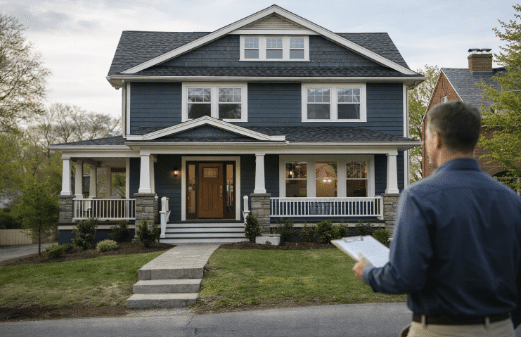
The “Great Housing Reset” is Here and 2026 is the Year for MA Flippers
Stop waiting for 3% on 30-year mortgages. With rates around 6%, the would-be homebuyers are done waiting and are finally starting their engines.
They aren’t waiting for cheaper money anymore; they’re competing for what’s available.
For fix and flip investors in Massachusetts, the conditions are especially favorable. The Realtor.com 2026 Housing Forecast projects a 14% jump in national sales. At the same time, the Northeast continues to face a serious supply shortage.
Zillow Research[1] confirms that active listings in Worcester and Boston remain at historic lows. In many cases, inventory is down by 60%. This gap between supply and demand is exactly where flippers thrive.
For fix and flip investors, the signal is clear: demand has outrun supply. Buyers aren’t just looking for four walls and a roof anymore. They are hunting for ‘turnkey’ properties: fully renovated and ready for move-in on day one.
Stormfield Capital’s Fix & Flip Loans provide the speed and flexibility required to outpace the competition in Massachusetts.
Massachusetts’ Top 2026 Growth Hubs
To succeed in 2026, fix and flip investors should target the regions attracting homebuyers who can no longer afford Boston’s housing market. Two specific regions are currently leading the nation in growth potential.
1. Worcester: The National Leader for Spillover Growth
Worcester has emerged as a major housing market. Realtor.com’s 2026 Forecast ranks the Worcester metro area among the top three hottest housing markets in the United States.
- The data indicates that sales volume in Worcester is expected to grow by 12.6% this year. The combined sales and price growth metric stands at 15%.
- The pull: Boston’s median SFR home price of $1 million[2] remains out of reach of many high-earning professionals. As a result, Worcester’s $498,000 median price is attractive. Urban amenities and commuter rail access further drive this demand.
- The strategy: Offer the same high-end finishes commonly found in Boston suburbs. Buyers moving into Worcester increasingly expect stone countertops, custom cabinetry, hardwood flooring, and modern layouts. The finishes should match the design standards of Boston’s affluent Route 128 suburbs, but at a more attainable price.
2. Western MA: The New Affordable Frontier
Western Massachusetts is heating up as buyers chase affordability. Think of it as a ripple effect:
- The Anchor: Hampshire County is an expensive hub. In towns like Amherst and Northampton, median prices are hitting $435,000[3].
- The Spillover: Those prices are pushing buyers south into Hampden County.
- The Opportunity: In towns like Westfield and Chicopee, the median price remains $369,700[4], a 7% jump from last year.
The Strategy: Fix and flip investors should target first-time buyers across Hampden County. There is a massive shortage of renovated homes under $400,000.
2026 Design Trends That Drive Sales
To get top dollar, you have to start thinking like a problem-solver. Here is how to turn 2026 trends into profit.
- Grocery optimized kitchens: According to Zillow’s 2026 Trends Report, buyers are moving away from overly minimal and sterile interiors. Buyers want walk-in pantries. They want cold storage. They are buying in bulk to beat inflation.
- Wellness-focused spaces: Small and intentional areas such as reading nooks or yoga alcoves are appearing in 48% more listings this year. You could turn that awkward landing or closet-under-the-stairs into a wellness nook.
- Climate-Proofing & EV Power: This is a top trend for 2026. Mentions of flood protection are up 64%, and zero-energy-ready homes are up 70%. Energy-efficient HVAC and “whole-home batteries” (up 40%) are becoming key selling points to combat rising energy costs and climate volatility. Zillow’s national data shows a 25% increase in mentions of EV charging stations. Pre-wire the garage for an EV charger and highlight the “energy-efficient HVAC” in your listing. It justifies a higher price point because it lowers the buyer’s monthly carry.
Regulatory Risks and Opportunities
The Rent Control Debate
The Keep Massachusetts Home ballot initiative proposes a 5% cap on annual rent increases. It remains a major focus of the 2026 election cycle, according to Ballotpedia.
While this proposal creates uncertainty for buy-and-hold landlords, it creates a liquidity advantage for flippers. A fix-and-sell strategy allows investors to meet current homeownership demand without exposing capital to long-term rental regulation.
MBTA Communities Enforcement
Starting January 2026, the Attorney General began strict enforcement against “MBTA Communities”[5] that fail to adopt multi-family zoning (News From The States / SJC Update).
This pressure is forcing local boards to permit higher density near transit hubs. For you, this means ‘zoning-protected’ lots are suddenly open for business, giving you the green light to convert single-family eyesores into high-margin multi-unit gems.
Leveraging the Affordable Homes Act
Another operational shift for MA investors in 2026 is the full implementation of the Affordable Homes Act[6].
As of February 2, 2025, Accessory Dwelling Units (ADUs) up to 900 square feet are permitted by right in single-family zones across the state.
- The strategy: Do not limit the project to renovating the main house. Properties with potential or separate multi-generational suites now represent an important design trend for 2026.
- The benefit: Municipalities no longer require owner occupancy or special permits for these units. Adding an ADU can increase After Repair Value (ARV).
Final Takeaways For Fix and Flip Investors
The 2026 Massachusetts market has no room for “gut feelings.” Success this year depends on recognizing the ripple effect moving out of Boston.
Whether you are targeting the high-volume demand in Worcester or the first-time buyer sweet spot in the Pioneer Valley, the goal is the same: build what the 2026 buyer is actually hunting for.
They want more than just a fresh coat of paint; they want “climate-proofed” homes that lower their monthly carry and floor plans that work for real life. The “Great Reset” is here. You can either follow the old math or you can adapt to the new market and land your biggest payday yet.
Financing Your 2026 Flip: The Stormfield Advantage
When a Worcester listing closes in 30 days, you need a loan that closes in seven.
Stormfield Capital supports Massachusetts investors with fast draw schedules and in-house inspections that keep projects moving.
Our fix-and-flip bridge loans are built for speed. They allow you to move from offer to construction while other buyers are still waiting on an appraisal.
[1] https://www.zillow.com/research/2026-housing-predictions-35800/
[2] https://www.cbsnews.com/boston/news/boston-massachusetts-median-home-price-1-million/
[3] https://www.zillow.com/home-values/2714/hampshire-county-ma/
[4] https://www.zillow.com/home-values/55142/westfield-ma/
[5] https://www.mass.gov/info-details/multi-family-zoning-requirement-for-mbta-communities


